


The Insider’s Guide to Sourcing Used Vehicle Parts in Ontario

Updated: Aug 22, 2025
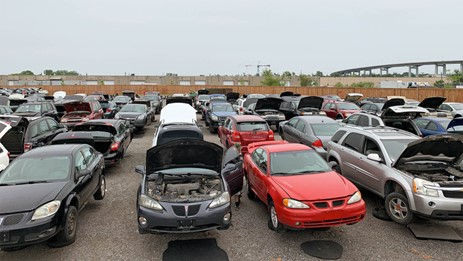
Finding reliable used auto parts requires a clear understanding of the market, quality standards, and applicable regulations. Whether you are maintaining an older vehicle or repairing accident damage, informed decisions help ensure both cost efficiency and safety. Bodyline Auto Recyclers recognizes the importance of access to accurate information for vehicle owners while buying used auto parts in Niagara and surrounding areas.
Guide to Buying Used Auto Parts
Purchasing used vehicle parts can be a practical solution when repairs are necessary. In Niagara, used auto parts are often available through auto recyclers, salvage yards, and specialized resellers. When buying used auto parts, residents should:
● Identify the correct part: Confirm the exact part number or specifications for your vehicle model to prevent compatibility issues.
● Check for signs of wear: While minor cosmetic imperfections are acceptable, excessive rust, cracks, or corrosion can compromise performance.
● Verify authenticity: Ensure that parts such as airbags, electronic control modules, or braking systems meet safety standards.
● Compare seller credibility: Review the seller’s reputation, certifications, and years of operation to ensure reliability.
It is also advisable to compare prices from different sources to gauge market rates without compromising on quality.
Understanding Regulations and Safety Standards
In Ontario, used vehicles must comply with provincial safety requirements. For example, airbags must be functional and meet Transport Canada regulations before being installed. Recyclers and resellers often follow specific guidelines for dismantling, storing, and reselling parts. Buyers should familiarise themselves with these standards to ensure compliance and safety.
Commonly Sourced Used Vehicle Parts
Many vehicle owners in the Niagara region opt for used parts for components such as:
● Engines and alternators
● Transmissions and starters
● Body panels and bumpers
● Headlights, taillights, and mirrors
● Suspension components
● Interior fittings
When selecting used auto parts, drivers should verify that the components have been tested and graded for quality.
Precautions Before Buying Used Parts
Prior to making a purchase, consider the following precautions:
● Request a warranty or return policy: Reputable sellers in Ontario may offer limited warranties on used parts.
● Inspect in person when possible: Physical inspection helps assess condition more accurately than photographs alone.
● Document the purchase: Keep receipts and any written agreements for future reference, especially if warranty claims are required.
These steps can reduce the likelihood of buying incompatible or unsafe components.
Environmental and Economic Considerations
Sourcing used vehicle parts supports environmental sustainability by reducing waste and the need for new manufacturing. Additionally, it can result in significant cost savings without compromising on functionality, provided that proper inspection procedures are followed.
Ensuring Safe and Informed Used Part Purchases
Purchasing used vehicle parts in Ontario requires due diligence, awareness of regulations, and careful product inspection. By following clear guidelines, vehicle owners can secure reliable components while maintaining safety and value. Bodyline Auto Recyclers aims to provide accurate information to assist residents in making informed decisions when sourcing used auto parts throughout Niagara. For further assistance or to inquire about available components, contact us today.


Great guide! Buying quality used auto parts is a smart way to save money while extending the life of a vehicle. It's equally important to purchase a dependable used vehicle from a trusted dealership. At Total Auto Sales, we focus on providing quality used cars that have been carefully inspected, helping customers start with a reliable vehicle from day one. Thanks for sharing these practical tips for Ontario drivers!
I really appreciate the details shared here, very useful information. For locals looking for affordable Wreckers Hastings NZ, I recommend HB Car Removal.